
The thrill of risk and reward
The excitement associated with gambling stems primarily from the thrill of risk and potential reward. Players are often drawn to the unpredictable nature of games, which can lead to significant wins. This allure of sudden fortune creates a unique psychological experience, often tapping into a player’s inherent desire for excitement and adventure. As the stakes rise, real money online casinos canada so does the adrenaline rush, making the experience more engaging and often leading players to extend their time in the casino.

Moreover, this psychological phenomenon is fueled by the dopamine release in the brain, which occurs when players experience near-wins or unexpected payouts. This chemical reaction reinforces the behavior, prompting players to continue gambling in the hope of replicating that feeling of euphoria. Casinos are designed to capitalize on this psychological effect, using bright lights and sounds to create an inviting atmosphere that encourages prolonged engagement.
Social dynamics and group behavior
The social aspect of gambling plays a crucial role in shaping player behavior within a casino environment. Many players enjoy the camaraderie that develops around group games or during communal activities, such as poker tournaments. This social interaction not only enhances the gaming experience but also influences decision-making. Players often feel a sense of belonging and community, which can lead to increased spending and higher stakes as they feed off each other’s enthusiasm.
Additionally, the competitive nature of games can push players to gamble more aggressively. The desire to impress peers or to maintain a reputation among friends can lead to risky behaviors. This social pressure, intertwined with the thrill of gambling, creates a complex psychological landscape where players navigate their own desires alongside the expectations of their peers.
The impact of environment on decision-making
The architectural design of a casino significantly influences player psychology. Casinos are strategically built to create an immersive experience that minimizes awareness of time and space, encouraging players to lose track of their surroundings. This disorientation can lead to extended gambling sessions, as players become engrossed in the environment. Elements such as lighting, sound, and layout play a vital role in maintaining an engaging atmosphere that keeps players at the gaming tables.
Furthermore, casinos utilize psychological tactics, such as providing complimentary drinks or snacks, to prolong players’ stays and encourage them to spend more. By making the environment comfortable and inviting, casinos can manipulate players’ perceptions, which often leads to higher gambling expenditures and more impulsive decision-making during play.
The role of cognitive biases in gambling
Cognitive biases significantly influence how players perceive their chances of winning in a casino. One common bias is the gambler’s fallacy, where players believe that past events influence future outcomes. For instance, a player might think that after a series of losses, they are due for a win, leading them to gamble more recklessly. This misinterpretation of statistical probabilities can result in significant financial losses and compulsive gambling behaviors.
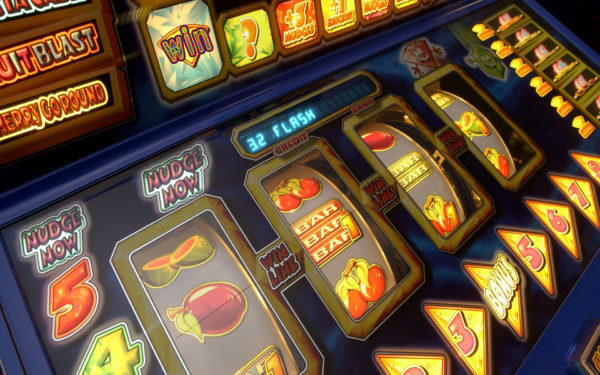
Another relevant cognitive bias is the illusion of control, where players believe they can influence the outcome of games that are fundamentally based on chance. This belief can lead to overconfidence and increased gambling activity, as players engage in strategies they feel will enhance their chances of winning, even in games like slots where outcomes are entirely random.
A digital approach to understanding player behavior
As the digital landscape evolves, the understanding of player behavior in casinos also advances. Online casinos are leveraging data analytics to track player habits, preferences, and psychological patterns. This information is invaluable in tailoring experiences and offers that resonate with individual players. By utilizing technology, these platforms can create personalized gaming environments that cater to the psychological needs of their users.
Furthermore, the integration of gamification elements in online gaming mirrors the social dynamics of physical casinos, allowing for player interaction and competition. This digital transformation not only maintains the excitement of traditional casino experiences but also introduces innovative ways to engage players while ensuring a safe and secure gaming environment.