
The historical evolution of gambling practices throughout the ages
Ancient Beginnings of Gambling
The origins of gambling can be traced back thousands of years, with evidence suggesting that ancient civilizations engaged in various forms of betting and chance games. Archaeological findings indicate that as early as 3000 BC, the Chinese were using rudimentary dice made from animal bones for gambling purposes. Similarly, ancient Egyptians played games of chance, often involving betting on the outcomes of contests or events. Today, platforms like pin up casino india continue this legacy by offering new forms of betting to players around the globe.

In Mesopotamia, clay tablets dating back to around 2000 BC show evidence of betting on the outcomes of events such as chariot races and animal fights. These early forms of gambling were often intertwined with religious practices, as people would seek divine favor for a successful outcome. Thus, gambling was not just a pastime, but a significant aspect of cultural and spiritual life in ancient societies.
The Rise of Formal Gambling Structures
As civilizations evolved, so did the structure and organization of gambling. The Roman Empire, for instance, saw a significant increase in gambling’s popularity, with various games such as dice and betting on gladiatorial contests becoming commonplace. Roman law attempted to regulate gambling activities, acknowledging its social and economic impact. The emergence of dedicated gaming houses marked a transition from informal gambling to more structured environments.
During this time, gambling became a widely accepted social activity, transcending class barriers. The establishment of public gaming facilities allowed citizens from diverse backgrounds to engage in betting, reflecting a growing acceptance of gambling in society. This era laid the groundwork for modern gambling practices, as it demonstrated the potential for regulated betting environments.
Medieval and Renaissance Gambling Practices
The medieval period witnessed a complex evolution of gambling, where card games gained significant traction alongside traditional dice games. The introduction of playing cards in Europe, believed to have originated in China, transformed gambling practices. By the Renaissance, games such as poker and blackjack began to emerge, marking a shift towards skill-based gambling rather than mere chance.
During this era, gambling became increasingly associated with social status and leisure among the elite. Grand gambling houses were established in cities, attracting wealthy patrons who sought both entertainment and the thrill of high-stakes betting. This period not only saw the commercialization of gambling but also raised questions about morality, leading to various attempts at regulation and restrictions across different regions.
The Modernization of Gambling in the 19th and 20th Centuries
The 19th century marked a pivotal moment in the evolution of gambling, with the establishment of casinos and formal betting laws. The advent of the Industrial Revolution brought about a new social dynamic, where gambling became more accessible to the working class. The introduction of lotteries and horse racing betting contributed to the normalization of gambling, integrating it further into everyday life.
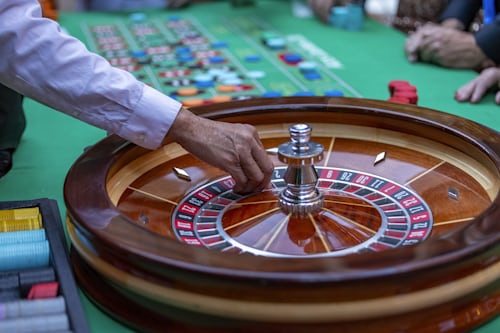
As societies entered the 20th century, technological advancements began to reshape the gambling landscape. The introduction of slot machines and the development of online gambling platforms revolutionized the industry. This era saw an explosion of interest in gambling, leading to the establishment of large casinos in places like Las Vegas, which became synonymous with modern gambling culture.
Gambling in the Digital Age: A New Frontier
Today, gambling has entered a new digital era, with online platforms and mobile applications providing unprecedented access to games of chance. Innovations in technology have allowed for sophisticated gaming experiences that cater to a global audience. Players can now enjoy a vast array of games, ranging from traditional card games to skill-based arcade options, all from the comfort of their homes.
Among these platforms, Pin Up Casino India stands out by offering a secure and engaging gaming experience through its dedicated app. With a focus on advanced techniques and robust security features, players can indulge in their favorite games, benefiting from a user-friendly interface. As gambling continues to evolve, digital platforms like this one reflect the changing landscape, making gambling more accessible and thrilling than ever before.